Skip to content

5 Inbound Customer Service Workflows Voice AI Agents Resolves Best

Featured Image

Executive Summary

For customer service heads, managing high inbound call volumes while keeping support costs down is a constant struggle. Traditional phone menus frustrate customers with endless button pressing, while human call centers quickly become too expensive to scale during peak hours. Native Voice AI changes this operational model. By handling multi-turn spoken dialogue with zero hold time, Voice AI agents resolves routine inbound workflows end to end without needing human intervention. This guide breaks down the five inbound customer service workflows where native Voice AI delivers immediate containment, lower operating expenses, and higher customer satisfaction.

Forcing callers to navigate rigid keypad menus only to place them on hold for twenty minutes is a fast way to alienate customers.

When customers call support, they expect fast answers in plain language. They do not want to parse static menus or re-explain their issue every time their call gets transferred.

Multilingual Voice AI replaces rigid phone menus with conversational dialogue. Operating with sub-second latency and natural speech understanding, Voice AI listens to how callers state their problems, pulls context from back-end databases, and executes live system updates.

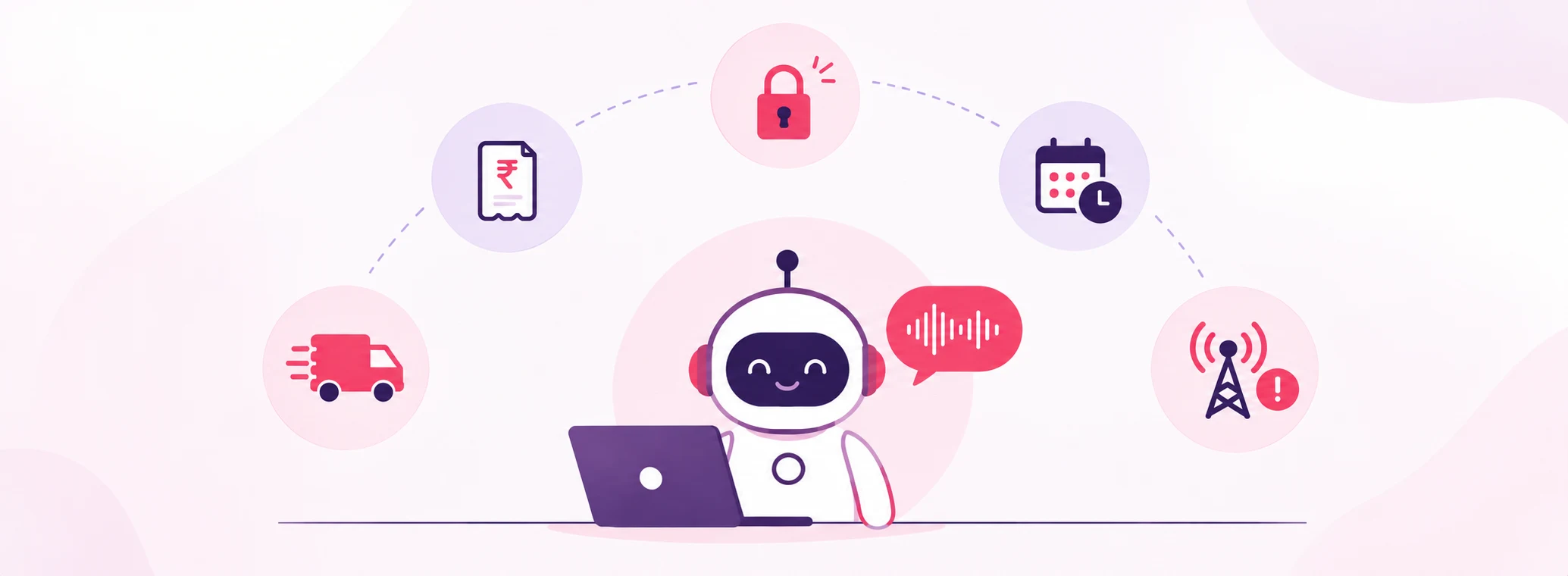
Here are the top five inbound customer service workflows where native Voice AI delivers the highest resolution rates and operational savings.
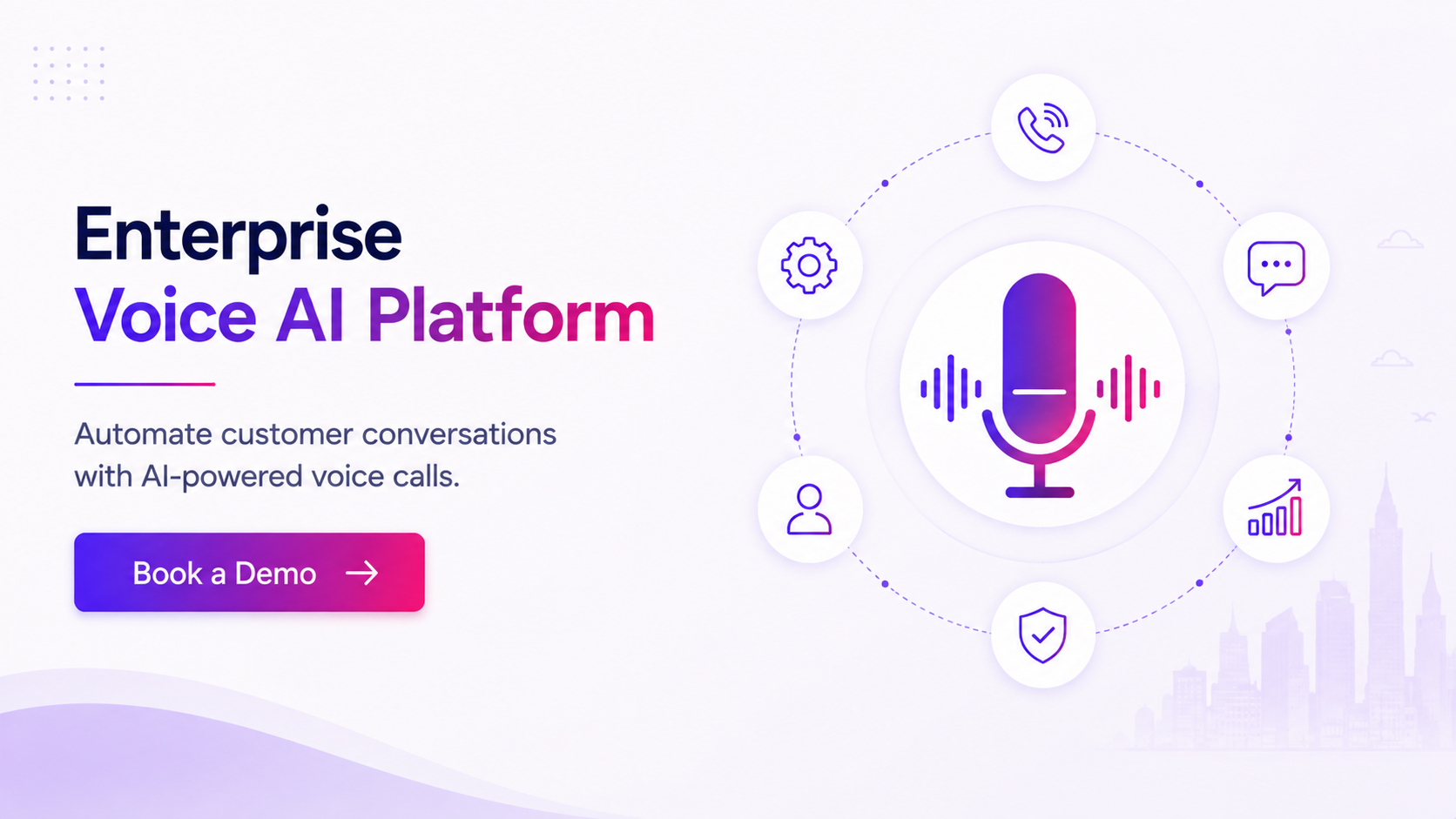
Hero banner for an enterprise Voice AI Platform: gradient headline, central microphone graphic, surrounding feature icons, and a 'Book a Demo' CTA button.

1. Account Balances, Ledger Summaries, and Statement Requests

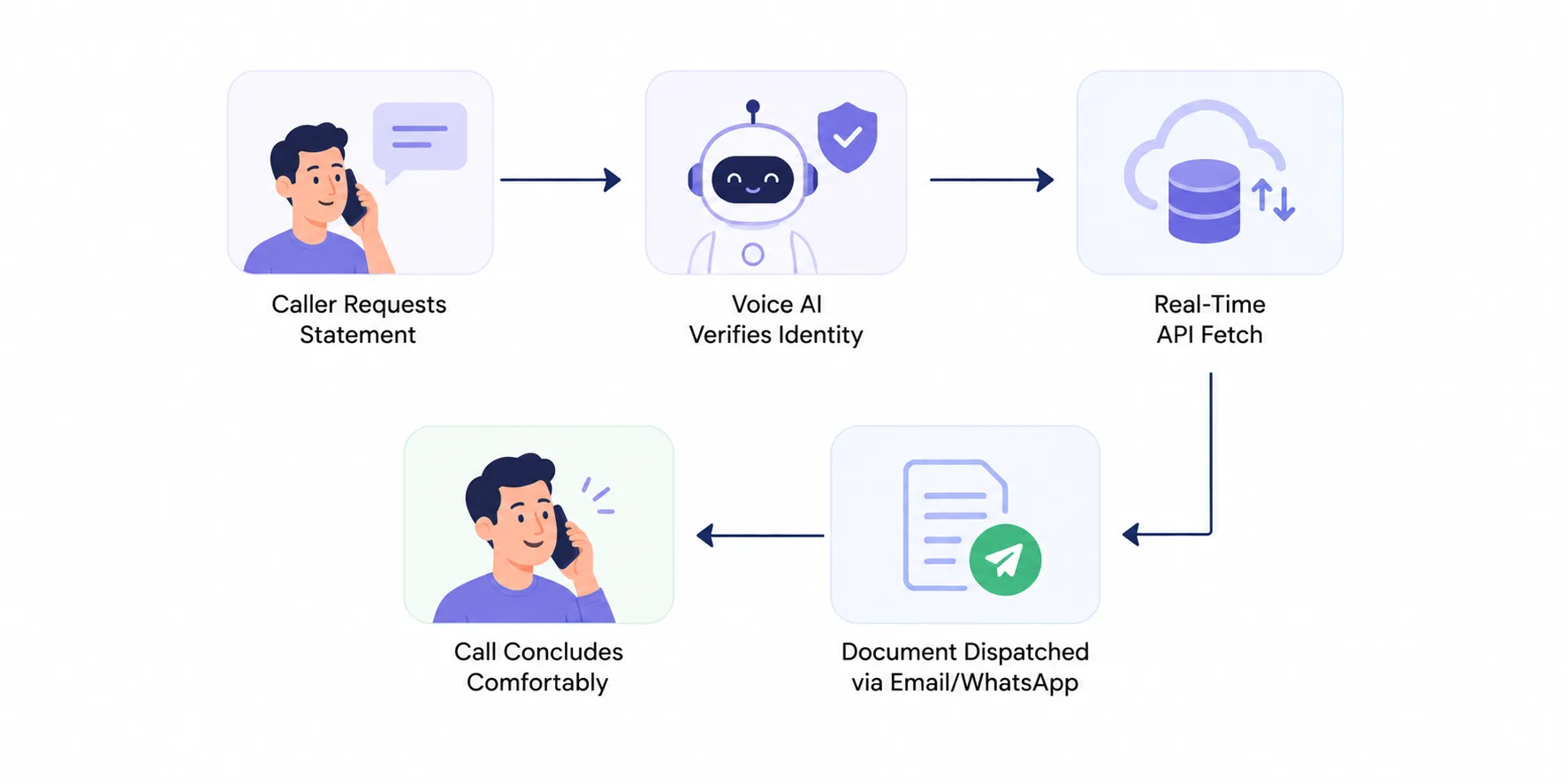
Over a third of inbound call traffic across banking, telecom, and utility sectors involves quick, repetitive status checks. Callers simply want to confirm account balances, review recent charges, or get official documents sent to their inbox.

Having human support staff answer these routine calls wastes valuable labor hours that should be spent on complex, high-touch support issues.

Native Voice AI for banking handles these identity checks quickly, pulls data directly from central systems, and delivers information over the phone. If a customer requests a written statement or tax certificate, the AI sends the document via SMS or WhatsApp while keeping the caller on the line.

Key Workflow Advantages

• Zero Hold Time: Answers high-volume queries instantly during peak billing periods.

• Database Updates: Fetches balance updates and logs requests directly into system records.

2. Order Tracking, Delivery Status, and WISMO Inquiries

For e-commerce and retail brands, “Where Is My Order?” (WISMO) calls overload support teams during sales events and holiday rushes. Callers are often anxious about delivery timing and want precise updates fast.

Native Voice AI for retail and eCommerce connects directly to order management tools and logistics APIs to streamline tracking:

◦ Identifying the caller using their phone number or order ID.

◦ Providing live shipping status, current package location, and estimated delivery times.

◦ Capturing delivery instructions like drop-off preferences or gate codes directly from spoken dialogue.

◦ Texting direct tracking links straight to the caller’s phone before the call ends.

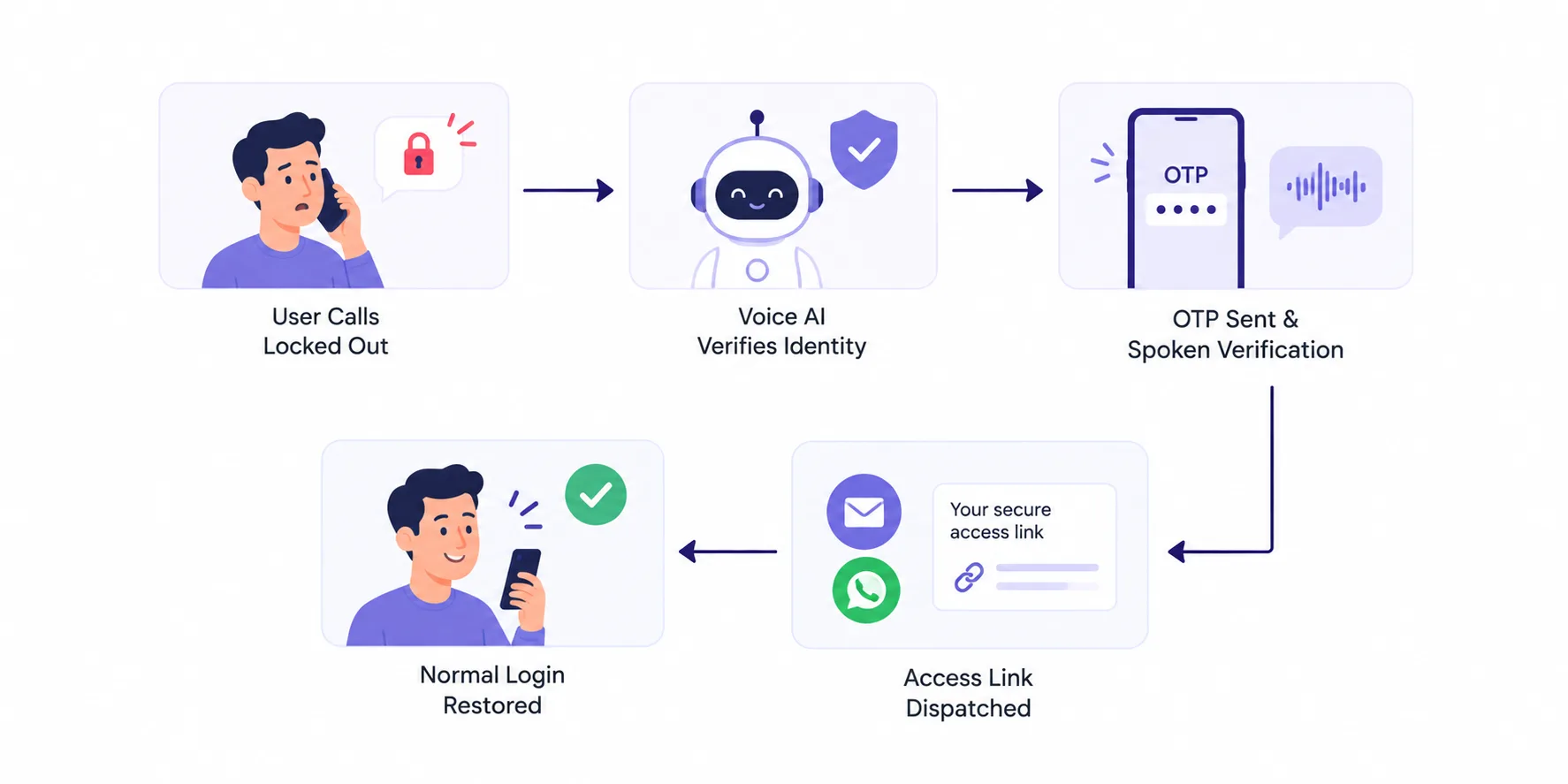
3. Password Resets, Account Unlocks, and Access Recovery

Locked-out users who cannot access digital portals or mobile apps often resort to calling support. Because these callers are already locked out of their accounts, digital self-service channels are useless to them.

Voice AI for SaaS provides a secure, conversational way to handle account access recovery:

The Voice AI system verifies identity using one-time passwords (OTPs) or security questions, clears locked account flags in core systems, and texts secure reset links straight to the user’s mobile device.
4. Appointment Scheduling, Rescheduling, and Cancellations

Healthcare clinics, service centers, and professional firms spend substantial labor hours taking routine calendar booking calls. Manual scheduling leads to administrative bottlenecks and costly calendar gaps when last-minute changes happen.

Native Voice AI for appointment scheduling functions as an always-on booking desk:

◦ Reading open time slots directly from calendar systems.

◦ Guiding callers through choosing, confirming, or changing appointment times.

◦ Capturing pre-visit details and updating booking logs in real time.

◦ Sending immediate booking confirmations via text to reduce no-show rates.

5. Service Disruptions, Outage Reporting, and Ticket Updates

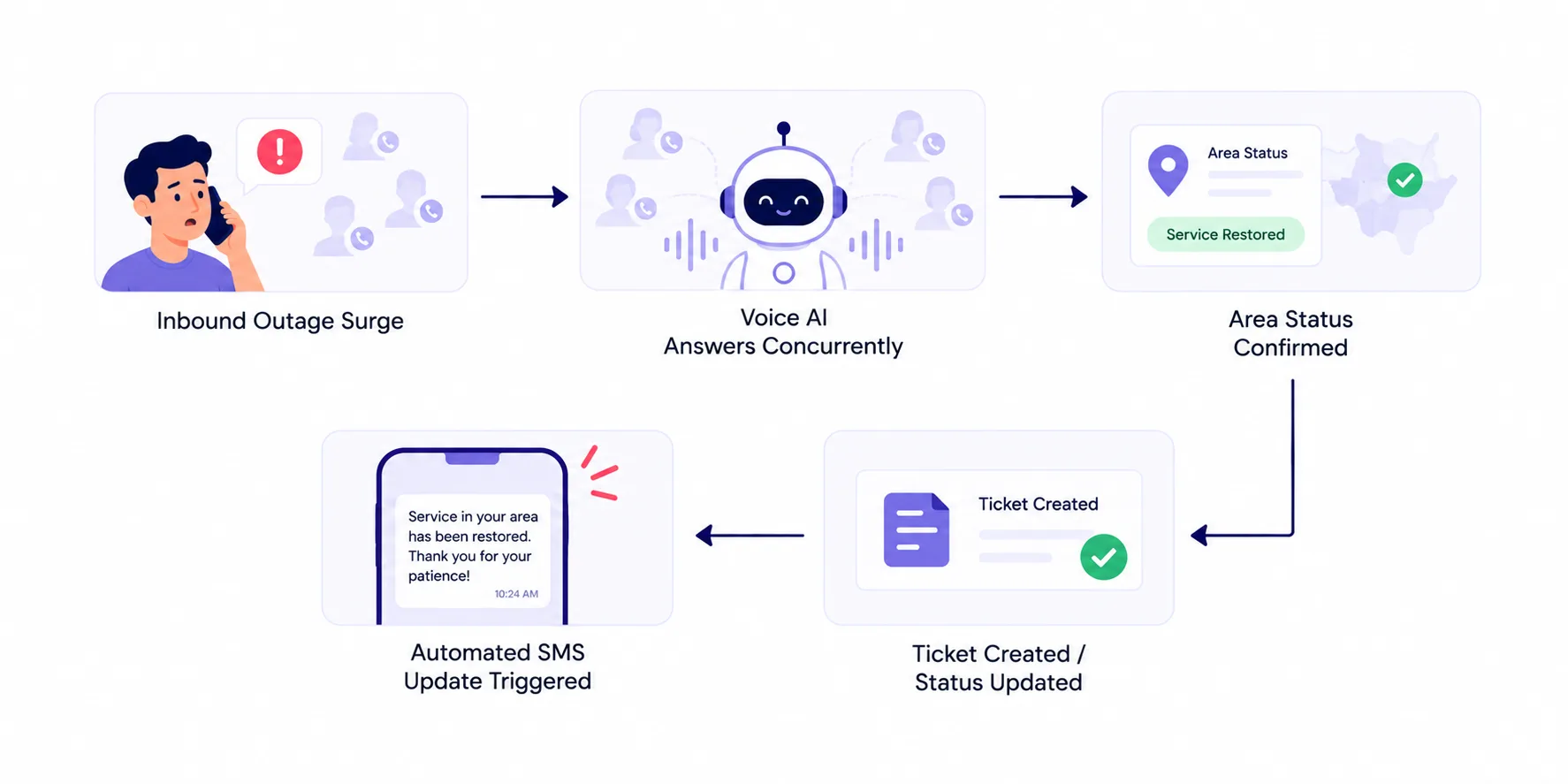
During unexpected service outages, storm disruptions, or system downtime, inbound call volumes spike dramatically. Human call centers quickly become overwhelmed, leaving callers stuck in long hold queues that fuel frustration and churn.

Voice AI manages these volume spikes with unlimited concurrent call capacity. The system recognizes the caller’s location, confirms local outage details, registers support tickets automatically, and offers automated text updates when service is restored.
Build the Modern Service Architecture with Voice AI Agents

Relying solely on human call center expansion to manage growing support volumes is no longer a sustainable business strategy. By automating high-volume workflows like order tracking, account queries, access recovery, and appointment bookings, progressive support leaders remove operational bottlenecks while cutting operating expenses. Deploying native Voice AI agents allows enterprises to scale support capacity smoothly, reduce hold times, and deliver the responsive service modern customers expect.

What Rootle Does Differently

Rootle is a voice AI platform built for enterprises that demand more than just automated dialing. While legacy systems stop at playing recordings or basic speech-to-text, Rootle acts as an intelligent extension of your workforce. By combining Agentic AI with real-time system integration, Rootle doesn’t just “talk” to your customers—it executes tasks, resolves queries, and moves the needle on your core business metrics, from DSO reduction to lead conversion.

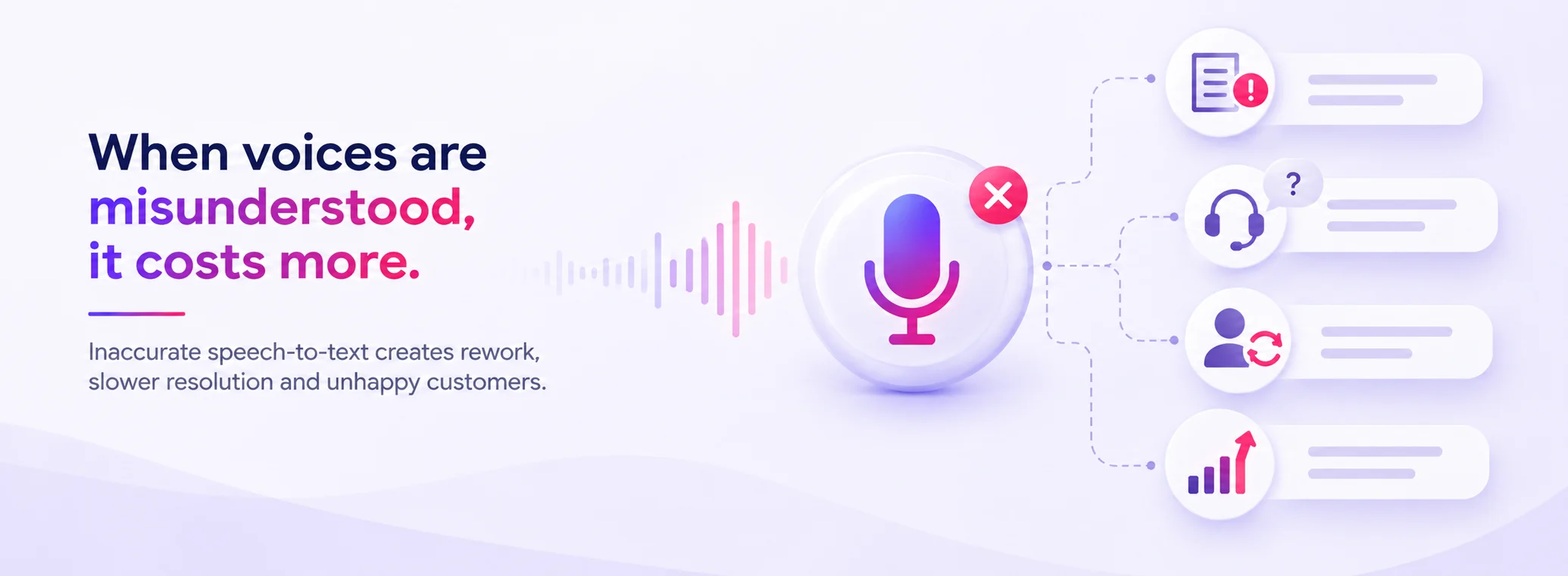
Conversational Accuracy: Uses advanced speech processing to interpret complex, unstructured human dialogue rather than relying on rigid keypad menus or static scripts.

• Fluid Multi-Dialect Capabilities: Switches languages and regional accents instantly mid-sentence without dropping the context of the conversation.

• Direct Core System Syncing: Connects natively to enterprise CRMs to log interactions, update custom records, and trigger secondary channels dynamically.

• Rapid Ecosystem Deployment: Integrates through secure APIs using pre-configured, industry-specific compliance templates to go live within a few weeks.

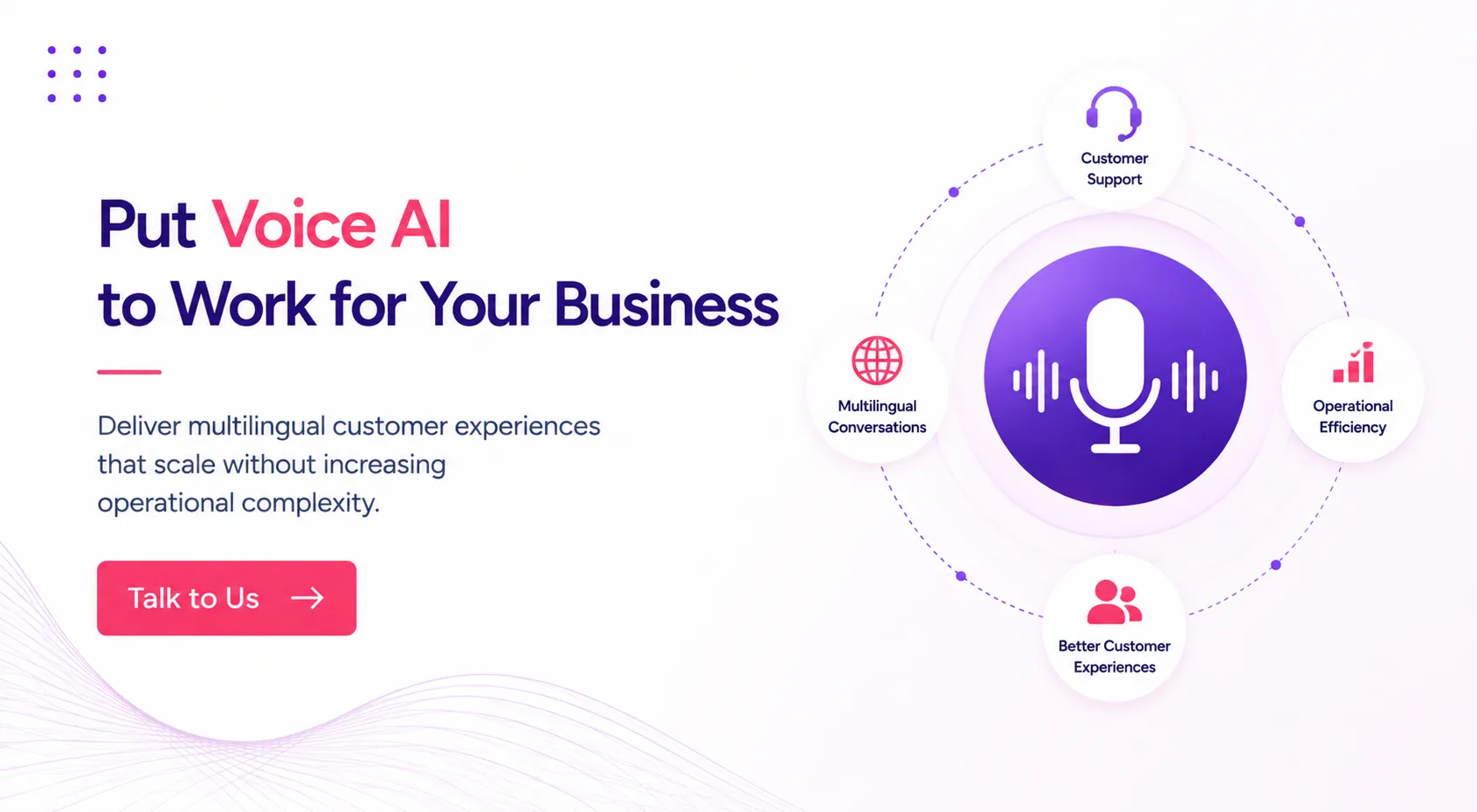
Hero banner promoting Voice AI for business, with a central purple microphone and circular icons for Support, Multilingual Conversations, Operational Efficiency, and Better Customer Experiences.

FAQs: Voice AI Agents

1. What happens when a caller gets confused or asks an off-script question during an inbound Voice AI interaction?

When a conversation strays beyond configured capabilities or sentiment analysis detects caller frustration, Voice AI agents executes a smooth, warm transfer to a human specialist. Rather than dropping the call, the system passes the real-time transcript, caller details, and identified issue directly to the agent’s screen. This warm transfer lets human support teams step in cleanly without asking the customer to repeat themselves.

2. How does native Voice AI maintain strict data security and privacy during inbound service interactions?

Enterprise Voice AI systems enforce security by masking sensitive personal details before saving call records. The platform verifies identity using multi-factor authentication, such as sending one-time passcodes over text during the call, and connects to enterprise databases through tokenized, encrypted APIs. Encrypted call audio logs and transcripts ensure complete compliance for administrative audits.

3. How does Rootle help customer support teams cut down average handle times and contain inbound call volume?

Rootle lowers average handle times by resolving routine queries like order updates, account checks, and password resets directly over the phone without human intervention. By operating with zero hold times and sub-second speech processing, Rootle resolves incoming inquiries instantly. This keeps routine calls out of human support queues, allowing staff to focus on complex, high-priority issues.

4. Can Rootle's Voice AI engine integrate directly with existing ticketing systems, enterprise CRMs, and ERPs?

Yes. Rootle features an enterprise-grade API and Webhook structure built to connect cleanly with modern cloud platforms and custom back-end databases. The system pulls customer context before speaking, updates support tickets live during conversations, and triggers secondary workflows like texting receipt links or updating account statuses without manual effort.

5. Why is native multi-dialect language support critical for inbound customer service success?

Callers rarely speak in formal, textbook sentences when reaching out to support. They mix regional dialects with English terms, alter pronunciations, and switch languages mid-sentence. Standard voice bots often struggle with this, leading to caller frustration. A multi-dialect Voice AI engine processes regional accents and code-switching naturally, ensuring callers feel understood and queries get resolved smoothly.

Rahul Desai
Rahul Desai
Client Growth Manager

Rahul Desai is a client growth and sales professional with extensive experience driving strategic partnerships and revenue growth. At Rootle.ai, he focuses on expanding market reach, enabling enterprises to leverage multilingual voice AI for intelligent customer engagement and automated conversational experiences.

Recent Blogs