Demos always look great, but real-world consumer communication is messy. Learn how leading organizations are leveraging cutting-edge enterprise voice AI...
25 May 2026
The landscape of outbound calling in India is undergoing a massive shift. In high-growth sectors, customer support and sales teams face a brutal structural problem: high workforce churn (often around 30–40% annually) leading to severe enterprise knowledge loss. Every time a representative leaves, the context of previous customer conversations vanishes with them.
To combat this, forward-thinking organizations are shifting toward call center automation. Using outbound voice AI allows businesses to scale their outreach, qualify leads within minutes, and execute workflows seamlessly.
However, because an outbound call is inherently disruptive—you are interrupting someone’s day—the room for error is zero. If your voice AI for outbound calling sounds mechanical or fails to respect compliance, your customer will hang up in the first five seconds.
To ensure your voice AI for call center strategy succeeds, follow this ultimate checklist of Do’s and Don’ts.
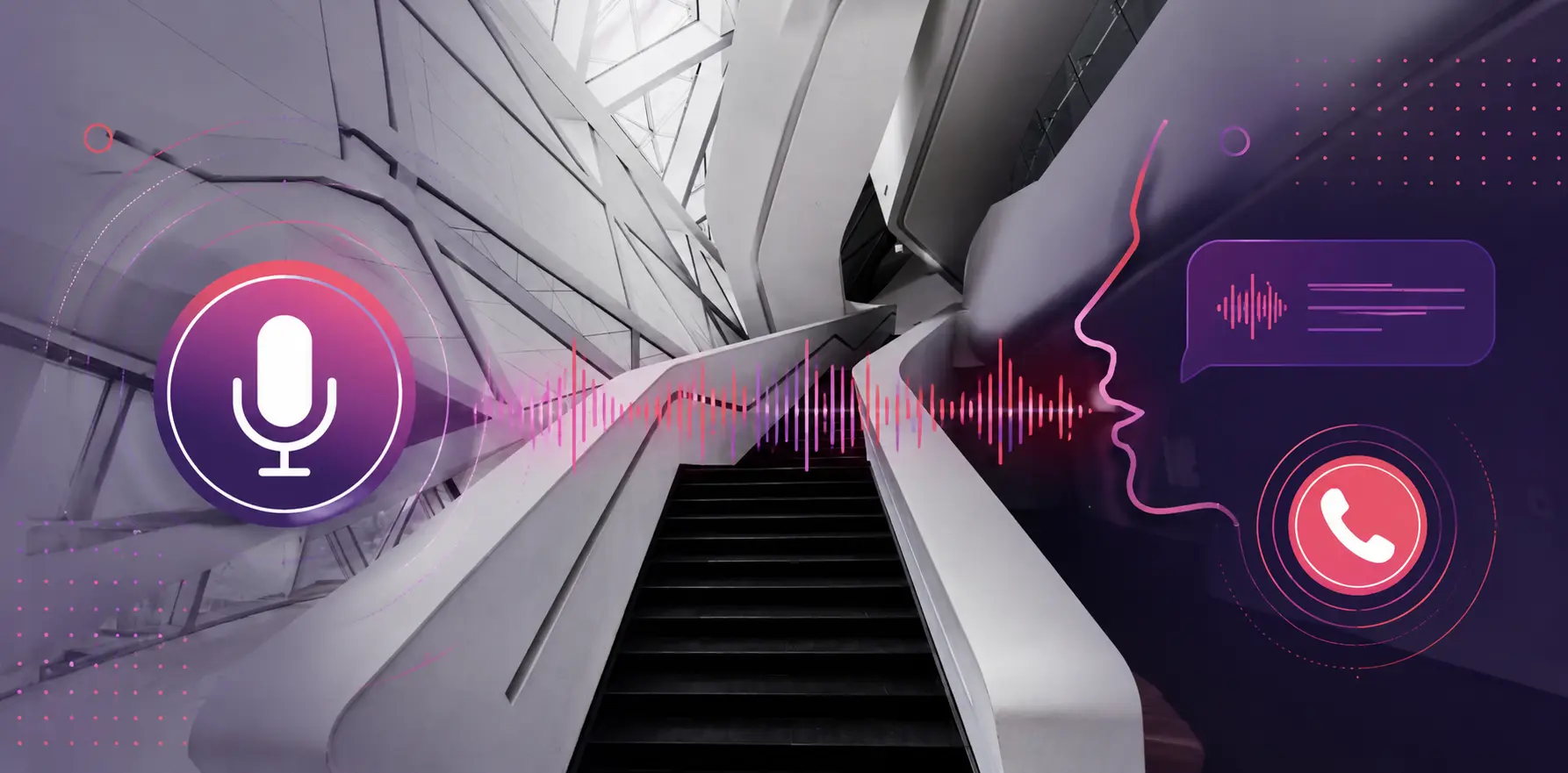
Outbound voice AI refers to software platforms that deploy intelligent, automated voice agents to initiate outbound telephone calls on behalf of a business. Unlike old-school robocalls, modern voice AI utilizes advanced Speech-to-Text (STT), Natural Language Understanding (NLU), and Text-to-Speech (TTS) pipelines to engage in real-time, fluid, two-way conversations that mimic human behavior.
Automating call center operations with voice AI removes human delays from the outreach funnel. It allows businesses to achieve an instant “speed-to-lead” response, contacting prospects within minutes of a form submission or enquiry. By filtering out dead numbers, handling initial qualification logic, and passing only high-intent, warm leads to human reps, conversion rates frequently jump by over 50%.
Yes, but it requires strict compliance. Outbound campaigns must be registered through DLT platforms, filter numbers against the national Do Not Disturb (DND) registry, adhere to specific permissible calling windows during the day, and use correct telecommunication series (such as the 1600-series for transactional or service calls).
Read this blog to understand this aspect better: Everything you Need to Know About Outbound Cold Calling in India
Rootle AI stands apart by offering India’s first Institutional Memory Voice AI platform. While basic bots treat every call as a blank slate, Rootle builds a continuous, persistent memory layer across all customer touchpoints (Voice, WhatsApp, RCS). It retains context, prior interaction history, and customer sentiment, completely mitigating the risk of enterprise knowledge loss caused by high call center staff turnover.
Rootle AI is natively engineered for the linguistic diversity of the Indian market. It supports over 20 Indian languages and localized dialects—including Hindi, Gujarati, Tamil, Telugu, Malayalam, and Bengali—along with fluent comprehension of colloquial mixtures like “Hinglish,” allowing enterprises to build immediate trust across varied demographics.