TL;DR:
Voice AI isn’t just another AI trend — it’s becoming core infrastructure for customer interaction, operations, and revenue growth. From automating high-volume inquiries to improving response times and customer satisfaction, the upside is real.
But here’s the catch: ROI doesn’t happen automatically. It depends on use case clarity, integration depth, and measurable performance benchmarks.
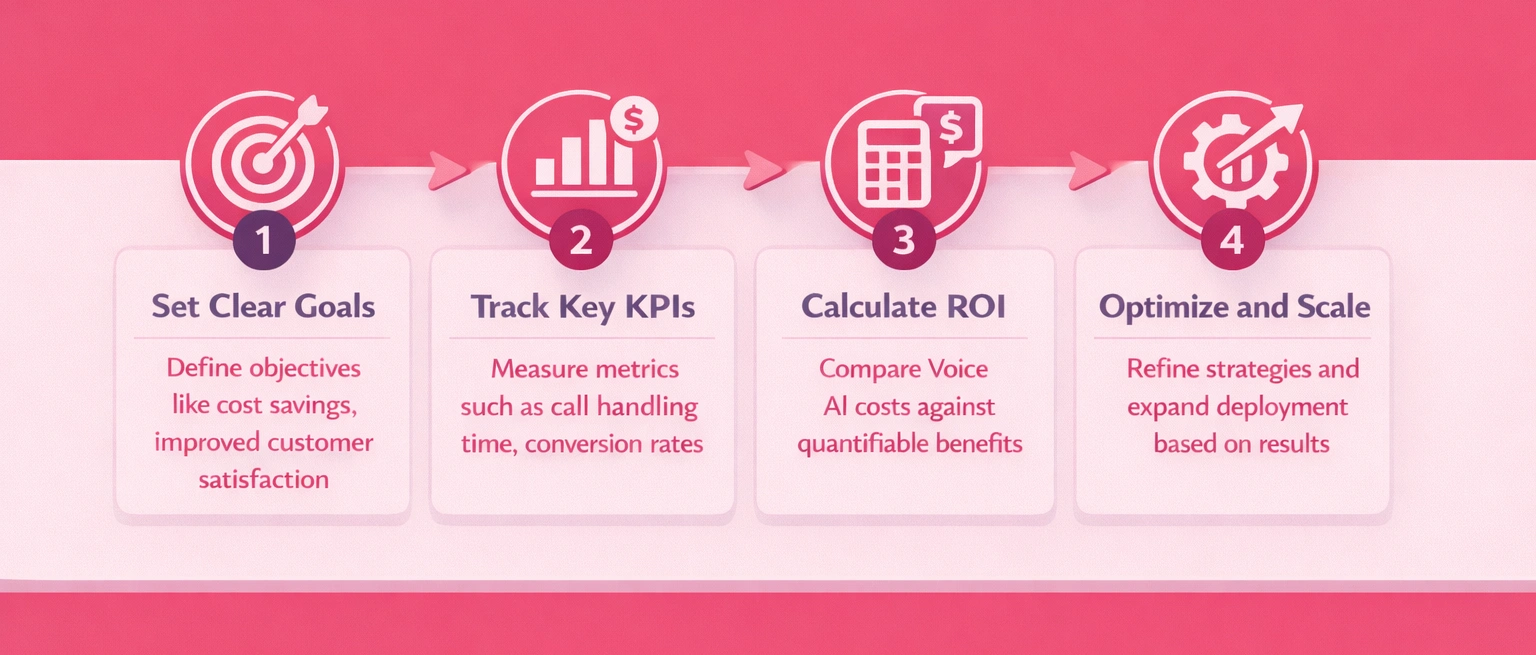
Before investing, you need to calculate high-volume voice AI ROI using operational data — not hype.
When implemented strategically, Voice AI delivers:
• Lower cost per interaction at scale
• Faster resolution times and reduced call queues
• Higher customer satisfaction and retention
• 24/7 automation without hiring spikes
When implemented poorly, it results in:
• Low containment rates
• Robotic, frustrating user experiences
• High tech spend with no measurable lift
• Minimal adoption from internal teams
The bottom line?
Voice AI is worth the investment — but only if you approach it as a performance-driven system, not a plug-and-play gadget.
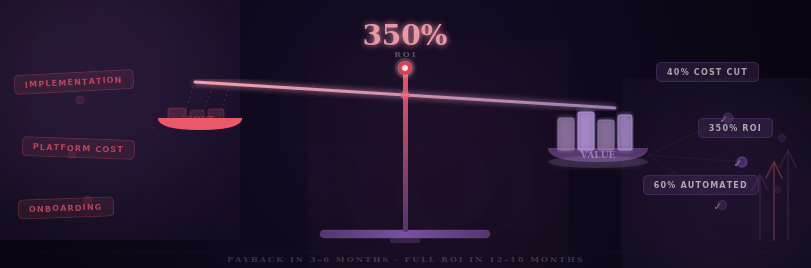
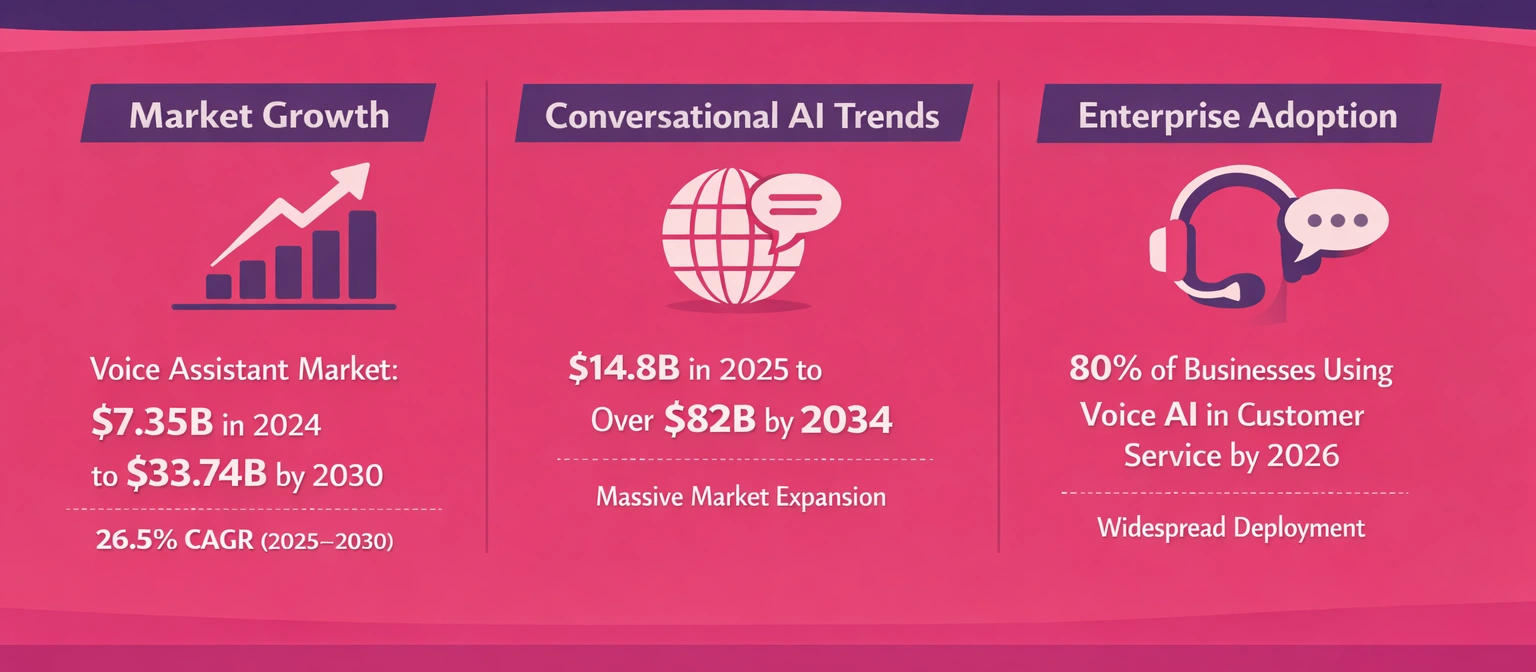
By 2026, Voice AI is projected to influence billions of customer interactions per year, cut support costs by up to 40% in mature deployments, and open new revenue channels in sectors like e-commerce, healthcare, and finance. This blog unpacks what you can expect, how to measure real ROI, where the risks lie, and how companies like Rootle AI can help you capture serious value without feeling like you’re shouting into the void.