


Increase in Hiring Quality

Time saved by recruiters

Increase in Hiring Quality
Time saved by recruiters


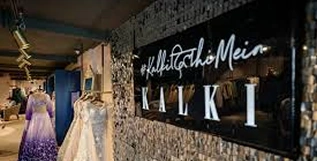
Kalki Fashion – one of India’s premier ethnic wear brands, was opening a new store.
The team had a projection: around 9,000 visitors over the opening weekend. A respectable number. A solid launch.
Then they called Rootle.
What happened next was not planned for. The store was unprepared for it. And the numbers that came in rewrote what anyone in the team thought was possible from a pre-launch outreach campaign.
Rootle architected a campaign around three pillars, not as a formula, but as a response to exactly what this launch needed.
Each of the 2,00,000 calls was designed to feel like a one-to-one conversation. The AI voice used real customer names, relevant context, and a conversational tone that did not sound automated. This is what separates a Voice AI campaign from a traditional robocall. When customers hear their own name along with meaningful context, the message immediately feels important rather than promotional.
Every call was delivered within the critical 48-to-72-hour window before launch day. This timing is important because it is when customers are most likely to take action. It is early enough for them to plan their visit, yet close enough to create excitement about the upcoming launch. By focusing 2 lakh conversations within this narrow window, the campaign generated a strong wave of interest instead of slow and scattered awareness.
Reaching 2,00,000 people manually would require weeks of work from a large calling team. Rootle completed this in just 48 hours without sacrificing quality or personalisation. This demonstrates the true advantage of Voice AI — not only speed, but the ability to deliver consistent, warm, and personalised conversations to thousands of people at the same time.
The projected footfall of 9,000 was already an optimistic target. The actual turnout of approximately 18,500 visitors, more than double the projection, didn’t just validate the campaign. It created a genuine operational challenge. The Kalki Fashion team wasn’t equipped for the crowd that showed up.
That’s the kind of problem every brand wants to have. And it only happened because three things aligned at exactly the right moment: the right message, to the right people, at the right time.
Today, people see hundreds of marketing messages every day. They receive SMS offers, see online ads, and get promotional emails. Because of this, many customers simply ignore these messages.
A voice call works differently.
When someone hears their own name in a friendly and natural voice, it immediately feels more personal. Instead of sounding like another advertisement, it feels like a direct invitation. This is why voice communication captures attention much faster than text-based marketing.
In this campaign, personalised Voice AI calls helped the brand connect with customers in a way that felt natural, timely, and relevant.
Voice calls naturally attract more attention than SMS or ads. In this campaign, 67% of recipients listened to the full message, showing how voice communication breaks through everyday marketing noise.
Because the message was personalised and delivered at the right moment, customers responded positively. 33% of recipients showed genuine interest and followed up for more details.
The personalised calls encouraged many customers to visit the store during the launch period. Actual store visits were more than double the brand's initial expectations.
This campaign showed how the right communication strategy can change the outcome of a retail launch. Instead of relying only on traditional marketing channels, the brand used personalised voice calls to reach customers at the right moment. The result was higher attention, genuine interest, and real store visits.
When communication feels personal and timely, customers are far more likely to respond.